
Your garage door is the single largest opening in your home and has a direct impact on your monthly energy costs. In fact, leaving your garage door open can have the same impact as leaving all the windows in your home open at once. If your garage is poorly insulated, it can significantly increase heating and cooling costs.
The good news is that a few smart garage upgrades can improve energy efficiency and lower monthly bills.
Garage Door Insulation: Why It Matters
Your garage door plays a larger role in your home’s energy efficiency than you might realize. Because it is often the largest opening in the structure of a home, a poorly insulated garage door can allow significant heat loss in winter and heat gain in summer.
Even when the door is closed, gaps, thin materials, and lack of insulation can allow outside air to pass freely into the garage. This is especially relevant for attached garages. Temperature fluctuations in the garage can affect adjacent living spaces, forcing your heating and cooling system to work harder to maintain a comfortable indoor temperature.
Over time, this leads to higher energy bills and excess wear and tear on your HVAC system. Proper garage door insulation helps create a more stable temperature inside the garage and limits energy loss. Whether you’re planning to replace your garage door entirely or improve the insulation on an existing one, addressing this issue can make a noticeable difference in both comfort and long-term energy costs.
Choosing Energy-Efficient Garage Door Materials
When shopping for an energy-efficient garage door, you might see manufacturers reference an R-value, which measures a material’s resistance to heat flow. In simple terms, the insulating ability of the door — a higher R-value suggests better insulating performance.
Although this rating may be accurate as a general reference, they don’t tell the whole story. Many manufacturers measure R-value at the center of a door panel rather than across the entire door. This means that panel seams, door edges, and air leakage — all things that affect real-world performance — aren’t always reflected in advertised R-values.
For that reason, understanding garage door materials and their properties can be just as important — if not more so — as reviewing advertised specs.
Garage doors are commonly made from the following materials, each with its own energy-efficient characteristics:
- Wood garage doors are charming and offer an unmatched level of curb appeal. Wood provides moderate natural insulation compared to an uninsulated steel door. However, even well-built wood doors are typically outperformed by insulated steel doors in terms of energy efficiency.
- Steel is one of the most popular garage door materials, and offers excellent performance when insulated. Steel doors are available in different gauges, with lower gauges being thicker and more durable. When paired with internal insulation, steel doors can provide strong performance and long-term reliability.
- Aluminum are lightweight and rust-resistant, making them a convenient, low-maintenance option. However, aluminum panels offer very little insulation. Insulated aluminum doors are available, but their performance depends on the quality of the insulation and door construction.
- Composite (Engineered) Wood are designed to replicate the look of natural wood while increasing longevity and reducing maintenance requirements. These doors often include insulating cores and can deliver thermal performance comparable to insulated steel. It’s a great choice for those wanting wood-look doors with better insulating performance.
- Fiberglass doors resist moisture and salt corrosion, making them especially useful in coastal environments. However, like aluminum, fiberglass doors are lightweight and typically provide limited insulation unless combined with additional insulating layers.
- Glass and acrylic doors are visually striking and allow in natural light, but they offer minimal insulation unless built with insulated frames and specialized glazing. These doors are often chosen primarily for aesthetics rather than energy efficiency.
- Vinyl garage doors are durable, low maintenance, and resistant to dents, rust, and corrosion. Although vinyl is not a strong insulator, many vinyl doors are constructed with internal insulation that improves overall energy performance.
Although useful to understand the material qualities of your potential garage door, many modern garage doors now combine materials—such as steel exteriors with insulated cores — to improve both energy efficiency and durability. Therefore, it is generally more useful for homeowners to consider how insulation, panel construction, and weather sealing work together to affect a garage door’s energy efficiency.
Garage Door Insulation Types
Regardless of the material you choose for your garage door, insulation is typically incorporated into door construction in one of three ways. Each option offers different levels of energy efficiency, durability, and cost.
Single-Layer Garage Doors
Single-layer garage doors are constructed from a single layer of material, with no added insulation. These doors are usually the most affordable option, but they provide little protection against temperature changes or noise. Because of their limited insulating properties, single-layer doors are generally best for detached garages where temperature control is not a priority.
Double-Layer Garage Doors
Double-layer garage doors are constructed of a single main material — such as steel or aluminum — with a layer of insulation added to the interior side. Polystyrene insulation is most commonly used in double-layer doors. This added insulation helps reduce heat transfer and noise compared to single-layer doors, making double-layer doors a practical middle-ground option for homeowners looking to improve energy efficiency without the cost of a fully insulated system.
Triple-Layer Garage Doors
Triple-layer garage doors offer the highest level of insulation, featuring an exterior and interior layer of material with insulation sandwiched between them. Triple-layer doors generally use either polystyrene or polyurethane insulation. In addition to improved thermal performance, this construction increases overall door strength and reduces vibration and noise. Triple-layer doors are often the best choice for attached garages, or spaces where energy efficiency and comfort matter most.
Polyurethane vs. Polystyrene Insulation
When comparing insulated garage doors, you’ll typically encounter two main insulation materials: polyurethane and polystyrene.
- Polystyrene insulation is a rigid foam panel — similar to a disposable coffee cup. Although it improves insulation compared to uninsulated doors, it offers lower thermal performance than polyurethane.
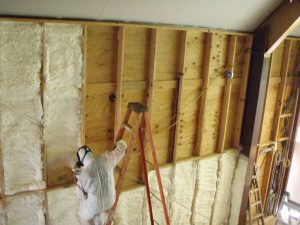
- Polyurethane insulation is applied as a liquid foam spray to the inside of triple-layer doors. It quickly expands to fill the entire garage door cavity and then hardens. Because it bonds to the door panels and fills gaps more completely, polyurethane insulation offers superior thermal efficiency, increased door rigidity, and improved noise reduction.
DIY Garage Door Insulation Tips
If replacing your garage door isn’t an option right now, there are several ways to improve insulation on an existing door. DIY insulation upgrades can help reduce drafts and temperature fluctuations, and are typically available in two forms: insulating panels and reflective foil kits.
Insulating Panels
Insulating panels are typically made from polystyrene or fiberglass, cut to fit inside the recessed sections of a garage door. These panels are relatively easy to install and can often be completed with an hour. Fiberglass panels generally provide slightly better insulation than polystyrene panels, but both options can noticeably improve thermal performance compared to an uninsulated door.
Reflective Foil Insulation
Reflective foil insulation consists of aluminum foil layered between polyethylene foam. This material reflects radiant heat and can be especially effective in garages exposed to direct sunlight or extreme temperatures.
Although reflective insulation can offer higher insulation performance, it’s important to note that the extra weight can affect the balance of your garage door and may impact safe operation if not carefully considered.
Important Considerations Before Insulating Your Garage Door
Before adding DIY insulation, inspect your garage door and surrounding areas for issues that could reduce effectiveness or cause operational problems:
- Adding insulation may require spring adjustment to maintain your door’s proper balance.
- Worn or damaged weatherstripping — the long piece of rubber at the bottom and sides of the door — can allow air leakage. Replacing it is often a simple and effective improvement.
- Small gaps around the door frame can allow drafts. Sealing these areas with caulking or sealant can further improve insulation results.
Do-it-yourself insulation can be a cost-effective short-term solution, but it’s important to ensure that upgrades do not interfere with safe operation. In some cases, professional insulation or a new insulated door may provide better long-term performance.
Other Energy Loss Culprits in Your Garage
Insulating your garage door is an important step, but it isn’t the only factor that affects energy efficiency. Several other common issues in garages can contribute to heat loss, drafts, and higher energy use if left unaddressed.
Poorly Insulated or Aging Garage Windows
If your garage has windows, they can be a significant source of energy loss — especially in older garages. Single-pane or poorly sealed windows allow outside air to move freely in and out of the space. Upgrading to double- or triple-glazed windows can help limit drafts and improve overall insulation.
Cracks in the Garage Floor or Walls
Small cracks in concrete garage floors or foundation walls can allow cold air to pass into the garage. Over time, these gaps can contribute to temperature fluctuations and moisture issues. Sealing visible cracks with concrete or masonry sealants to reduce air infiltration.
Garage Door Openers and Standby Power Use
Garage door openers consume a small amount of electricity even when not in active use. Older openers may also be less efficient than newer models. Upgrading to a modern, energy-efficient model may reduce standby power usage and may also have other benefits, such as quieter operation and smart control features.
Improving Garage Energy Efficiency Starts with Smart Choices
Reducing energy loss in your garage doesn’t require a single major upgrade. In many cases, a combination of thoughtful improvements — choosing the right garage door materials, adding insulation, sealing air gaps, and addressing overlooked problem areas — can make a meaningful difference over time.
Whether you’re planning a full garage door replacement or looking for practical ways to improve an existing setup, understanding how insulation and construction affect energy performance puts you in a better position to make informed decisions. Even modest changes can help create a more comfortable space and reduce unnecessary strain on your home’s heating and cooling systems.
If you’re unsure which options make the most sense for your garage or want to explore insulated garage door solutions, working with experienced professionals can help ensure upgrades are safe, effective, and suited to your specific needs.